
Starting a business in Thailand as a foreigner is possible, and in many cases, you can legally own 100% of the company without using a Thai nominee shareholder. However, choosing the correct business structure and obtaining the right approvals is very important to ensure full legal compliance under Thai law.

At W Law International, our experienced corporate lawyers help foreign investors establish and operate businesses in Thailand with confidence, transparency, and long-term legal protection.

1. Apply for a Foreign Business License (FBL)
A Foreign Business License (FBL) is one of the most common ways for foreigners to legally operate a restricted business in Thailand under the Foreign Business Act.
An FBL allows a foreign-owned company to conduct certain business activities that are otherwise restricted to Thai nationals. The application is submitted to the Department of Business Development (DBD), and approval depends on the nature of the business, business plan, technology transfer, investment value, and benefits to Thailand.
Suitable for:
- Service businesses
- Consulting firms
- Trading companies
- Technology and professional service companies
An FBL is ideal for businesses that want to operate directly in Thailand while maintaining 100% foreign ownership.

2. Apply for BOI Promotion
The Thailand Board of Investment (BOI) offers investment promotion privileges to businesses in targeted industries.
If your company qualifies for BOI promotion, you may receive:
- Permission for 100% foreign ownership
- Corporate income tax exemptions
- Import duty exemptions
- Easier work permit and visa processes
- Land ownership rights for promoted projects
BOI is commonly used for various types of business. This option is highly attractive for foreign investors planning long-term business operations in Thailand.

3. Standard Companies That Can Be 100% Foreign-Owned
Some business activities are not restricted under the Foreign Business Act, meaning foreigners can legally own 100% of the company without needing an FBL or Thai nominee shareholders.
Examples include:
- Export-only businesses
- International trading companies without local sales
- Holding companies investing in other companies
- Certain representative or regional office structures
These structures are often simpler and faster to establish compared to obtaining special licenses.

4. Businesses Exempted Under the Foreign Business Act
Certain businesses may be exempt from restrictions if they meet specific legal requirements.
For example:
- Retail business with registered capital of at least THB 100 million
- Wholesale business with registered capital of at least THB 100 million
If the company satisfies the minimum capital requirements and complies with applicable regulations, foreign investors may own 100% of the company legally.
This option is commonly used by larger international brands and investors entering the Thai market.
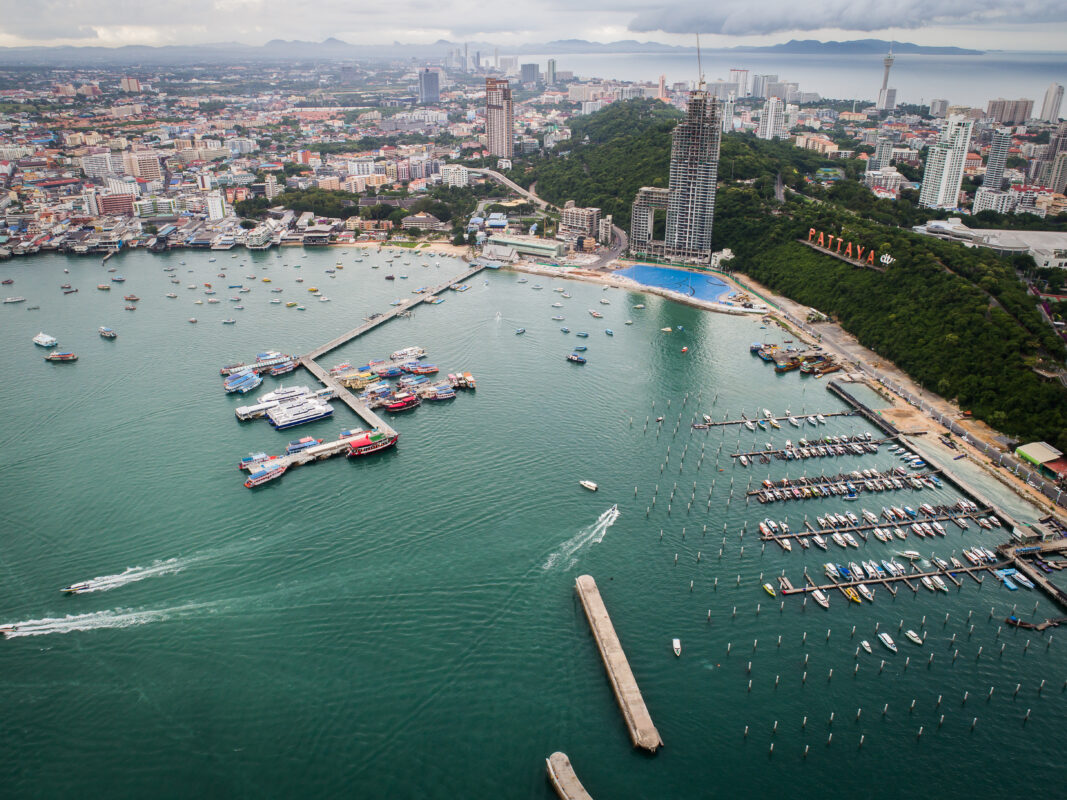
5. Investment in the Eastern Economic Corridor (EEC)
The Eastern Economic Corridor (EEC) is a special investment zone covering:
- Chonburi
- Rayong
- Chachoengsao
The Thai government provides significant investment incentives for businesses operating in targeted industries within the EEC.
Benefits may include:
- Foreign ownership privileges
- Tax incentives
- Long-term land lease rights
- Infrastructure support
- Smart visa opportunities
The EEC is especially attractive for advanced manufacturing, logistics, aviation, digital technology, and high-tech industries.

6. Company Under the Industrial Estate Authority of Thailand (IEAT)
Foreign investors operating manufacturing or industrial businesses may establish companies under the Industrial Estate Authority of Thailand (IEAT).
Companies located within approved industrial estates may receive:
- Permission for foreign ownership
- Land ownership rights
- Tax privileges
- Import/export benefits
- Simplified operational procedures
This structure is commonly used by international manufacturing companies expanding into Thailand.

7. Thai–US Treaty of Amity
American citizens and American-owned companies may benefit from the Thai–US Treaty of Amity.
Under this treaty, eligible US investors can:
- Own companies in Thailand with majority or full American ownership
- Operate many businesses without needing a Foreign Business License
The Treaty of Amity remains one of the strongest investment advantages available for US investors in Thailand.
Why Choose W Law International
W Law International is a professional full-service law firm established in 2010, specializing in:
- Corporate and business law
- Foreign investment structures
- BOI and FBL applications
- Immigration and work permits
- Real estate and property law
- Litigation and dispute resolution
Our legal team has extensive experience assisting foreign investors, entrepreneurs, startups, and international companies doing business in Thailand. We focus on creating legally secure business structures that protect our clients while supporting long-term business growth.
We understand that every business is different. Our team provides practical legal solutions, clear communication, and professional support throughout every stage of your investment journey in Thailand.
Contact W Law International
Bangkok Office
518/3 Maneeya Center North Building, 4th Floor, Unit E8-1
Ploenchit Road, Lumpini, Pathumwan, Bangkok 10330
Tel: +66 (0)2 055 6212
Phuket Office
63/202 Moo 2 Royal Phuket Marina
Thepkasattri Road, Kohkaew, Muang Phuket, Phuket 83000
Pattaya Office
666/66 Level 3 Conventional Hall
Brighton Grand Hotel Pattaya
Naklua, Banglamung, Chonburi 20150
Email: contact@w-lawthai.com
Line: @wlaw
For more information, please visit w-lawthai.com
